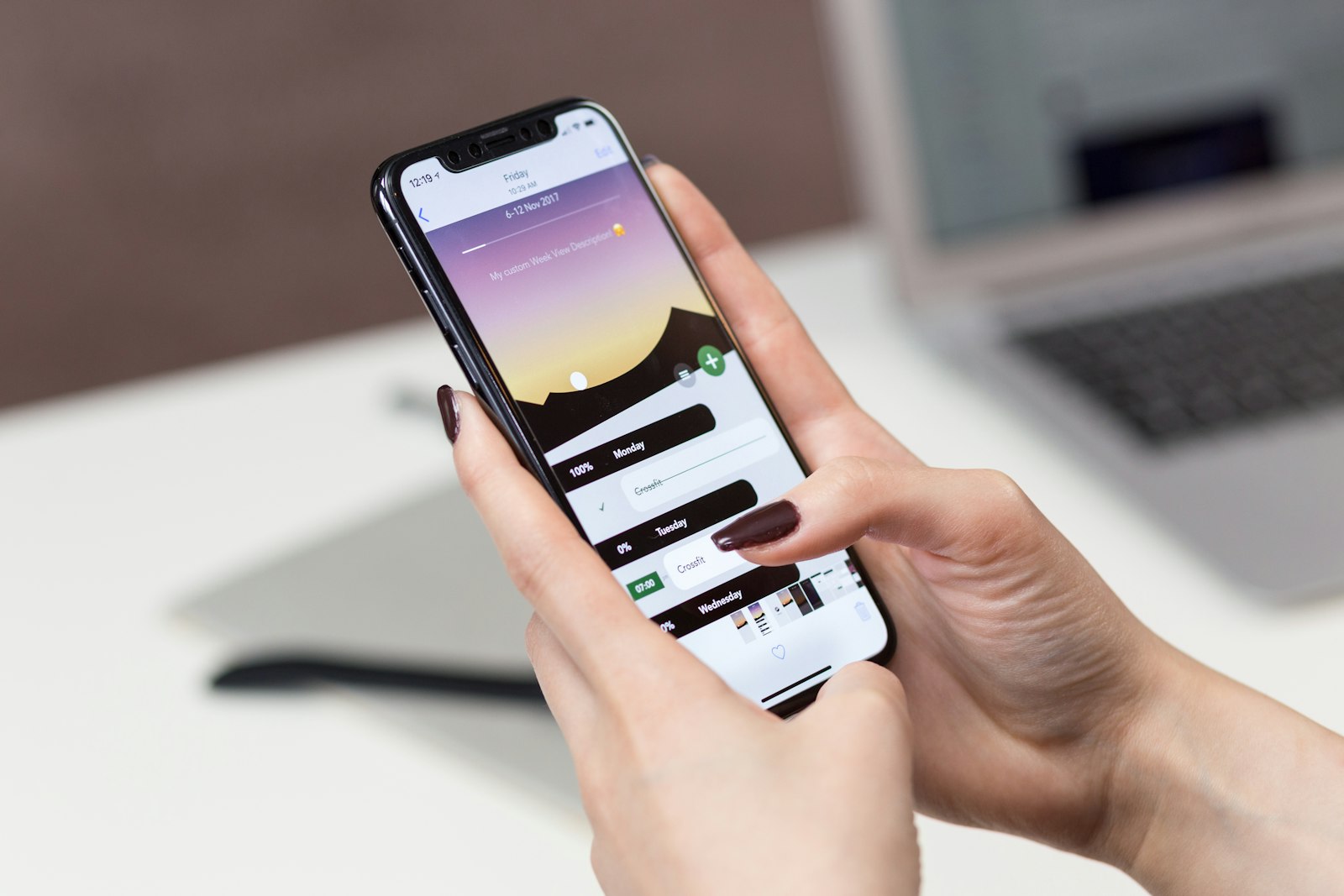
App-only banks have changed what people expect from a current account. The differences that matter most aren’t always the ones on the home screen.
Summary
- Many digital banks are fully authorised UK banks, with the same FSCS protection as high street banks.
- Some apps are e-money institutions rather than banks; their customers’ money is safeguarded instead of FSCS-protected.
- Digital banks tend to lead on app features; high street banks offer branches and a wider product range.
- Many people use both, for example a digital account for spending and a traditional bank for everything else.
Digital banks, sometimes called app-only or challenger banks, operate mainly through a smartphone app. High street banks offer apps too, along with branches and a long product list. Choosing between them comes down to how you bank, and how comfortable you are with protection details.
How they compare
| Factor | Digital banks | High street banks |
|---|---|---|
| Access | Mainly app-based | App, online, phone and branches |
| Features | Instant notifications, savings pots, spending insights | Improving apps, broader services |
| Support | In-app chat, sometimes phone | Phone, branches, chat |
| Products | Often focused on current accounts and savings | Mortgages, loans, credit cards and more |
| Cash deposits | Through partners, if offered | At branches and some partners |
Check whether it’s a bank
This is the most important difference to understand:
- Authorised banks take deposits, and eligible deposits are protected by the FSCS up to the standard limit. See our guide to FSCS protection.
- E-money institutions hold your money but don’t take deposits. They must safeguard customer funds by keeping them separate from their own, but this isn’t the same as FSCS protection.
Take care
Before holding large balances in an app, check whether the provider is a bank. You can search the FCA’s Financial Services Register, and the provider should state its status clearly.
Where digital banks shine
- Real-time spending notifications and categories.
- Savings pots and round-up features.
- Fast account opening and card controls, such as freezing a card in the app.
Where high street banks shine
- Branch access for complex needs or cash.
- A wider range of products in one place.
- Long track records and broad phone support.
Top tip
Using two accounts can give you the best of both: a digital account for everyday spending and budgeting, and a traditional account for bills, savings or larger transactions.
Questions to ask before you move your money
- Is the provider a UK-authorised bank, or an e-money institution?
- Does it offer an arranged overdraft, if you need one?
- How can you pay in cash or cheques, and is there a fee?
- When is customer support available, and through which channels?
- Are there fees for spending or withdrawing cash abroad?
Switching is simple
If you decide to move your main account, the Current Account Switch Service moves your payments in seven working days. Many digital banks also connect to other apps through open banking.
How to choose
- Want the best app and spending tools? A digital bank.
- Need branches, cash services or many products? A high street bank.
- Want both? Open a digital account alongside your existing one, and check its protection first.
Questions readers ask
Is my money safe in a digital bank?
If the provider is a UK-authorised bank, eligible deposits are protected by the FSCS up to the standard limit, just like a high street bank. Check the provider’s status before you deposit large sums.
What’s the difference between a bank and an e-money institution?
A bank takes deposits, which can be FSCS-protected. An e-money institution holds money for you but must keep it separate from its own funds, which is called safeguarding. Safeguarding is not the same as FSCS protection.
Can I pay in cash at a digital bank?
Some digital banks let you pay in cash through partners such as the Post Office or certain shops, sometimes for a fee. Check before you rely on it.
This guide is general information, not financial advice. Rules, rates and allowances can change, so check the latest details with the provider, GOV.UK or the Financial Conduct Authority before making decisions. For advice on your own circumstances, speak to an FCA-authorised financial adviser.