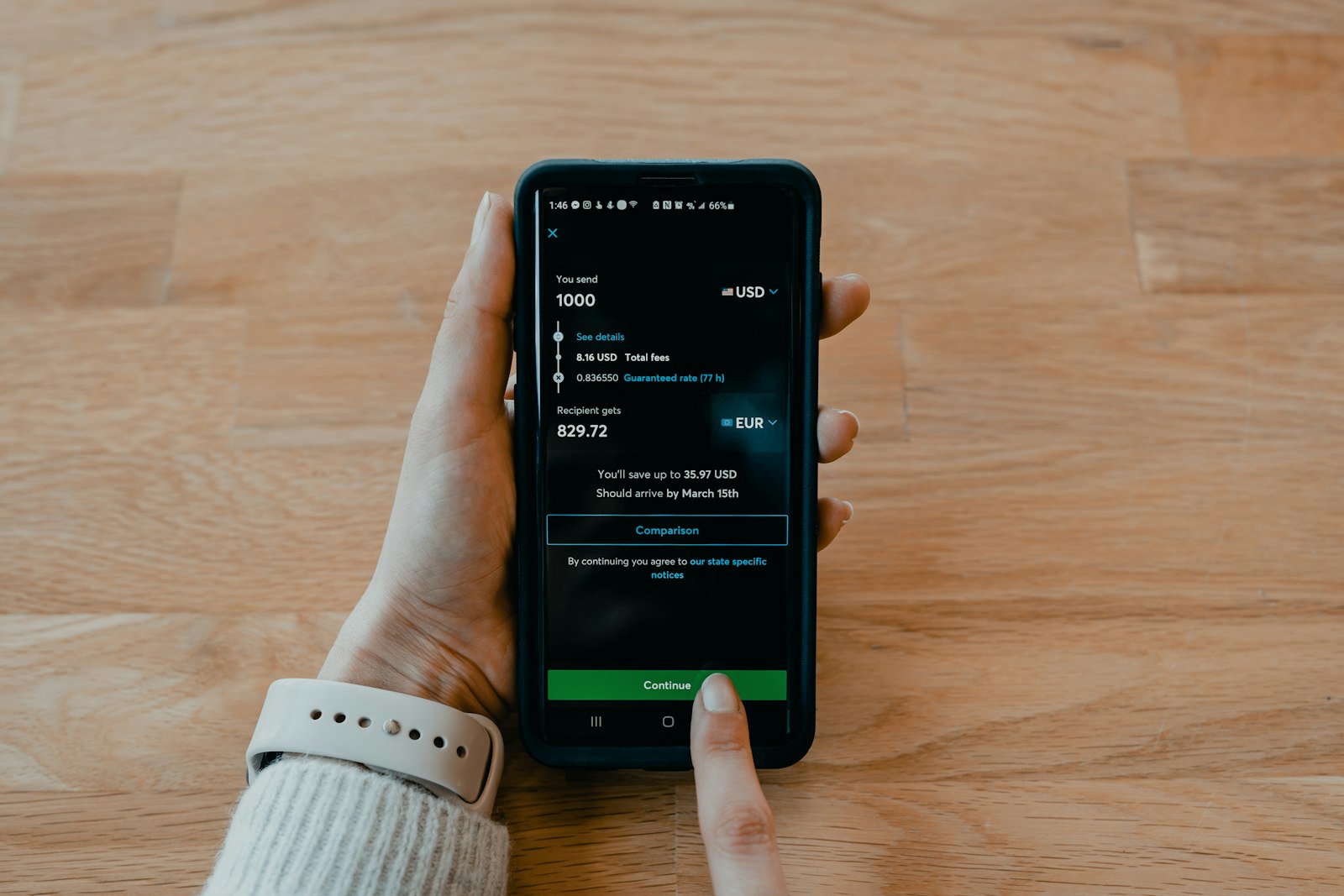
Changing banks used to mean weeks of paperwork. Today most switches take seven working days, and your payments move with you.
Summary
- The Current Account Switch Service moves your balance and payments to a new account in seven working days.
- Direct Debits, standing orders and incoming payments are moved, and payments to your old account are redirected.
- The Current Account Switch Guarantee refunds interest and charges caused by a problem with the switch.
- Check any switching incentive’s conditions before you start, such as a minimum deposit.
If your current account no longer suits you, switching is easier than many people think. The Current Account Switch Service, used by most UK banks and building societies, handles the hard part: moving your balance and payments to the new account within a fixed timetable.
How the service works
- Choose a new current account and apply for it.
- Ask your new provider to switch using the Current Account Switch Service, and choose a switch date.
- Your new provider arranges everything with your old one.
- On the switch date, your balance and payments move across, and your old account closes.
The process takes seven working days.
What moves across
| Item | What happens |
|---|---|
| Balance | Transferred to the new account on the switch date |
| Direct Debits and standing orders | Moved to the new account |
| Incoming payments, such as salary | Moved, and payments to the old account are redirected |
| Overdraft | Not moved; you need a new arrangement |
| Card payments set up on your old card | Not moved; update them yourself |
Take care
Recurring card payments, such as subscriptions charged to your debit card, are not part of the switch. Update them with your new card details to avoid missed payments.
The Current Account Switch Guarantee
The guarantee means the switch is free and that payments are moved for you. If something goes wrong because of the switch, your new bank will refund any interest and charges on either account that resulted.
Before you switch
- Compare accounts carefully: fees, interest, overdraft terms, app features and customer service.
- Read incentive conditions: switching offers often require you to pay in a minimum amount or move a set number of Direct Debits.
- Check your overdraft: if you’re overdrawn, plan how you’ll clear it, as described in our guide to how overdrafts work.
- Think about timing: a new account usually involves a credit check, which can matter if you’re about to apply for a mortgage.
Top tip
Choose a switch date that falls a few days after payday and away from big Direct Debits. It makes the first week with your new account easier to manage.
After the switch
- Update your card details for subscriptions and online shops.
- Check that Direct Debits arrive as expected in the first month.
- Tell your employer and anyone who pays you, even though payments are redirected.
The bottom line
Switching takes seven working days, moves your payments for you and comes with a guarantee if things go wrong. If you’re weighing an app-based provider, see our comparison of digital banks and high street banks, and check that any new provider offers FSCS protection.
Questions readers ask
Does switching affect my credit score?
Opening a new account usually involves a credit check, which can appear on your credit file. If you plan to apply for a mortgage or loan soon, consider the timing.
Can I keep my old account open?
A full switch closes your old account. If you want to keep it, you can usually move some payments yourself instead, though that won’t be covered by the switch guarantee in the same way.
Do I need to tell my employer about the switch?
Payments to your old account are redirected automatically, but updating your employer and others with your new details is still sensible.
What about my overdraft?
An overdraft doesn’t move automatically. Ask the new bank whether it can offer one before you switch, and plan to clear or transfer any overdrawn balance.
This guide is general information, not financial advice. Rules, rates and allowances can change, so check the latest details with the provider, GOV.UK or the Financial Conduct Authority before making decisions. For advice on your own circumstances, speak to an FCA-authorised financial adviser.