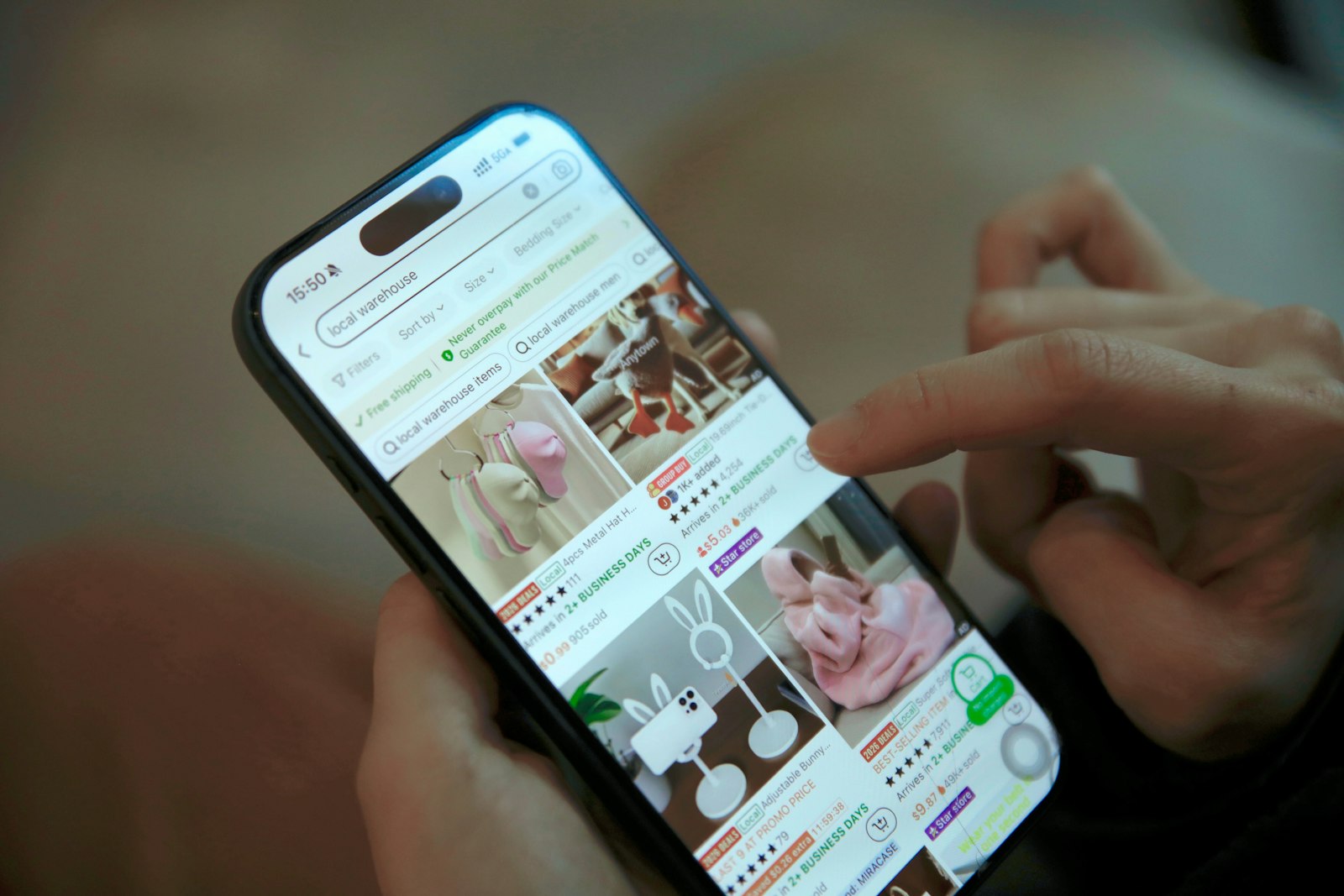
Splitting a purchase into instalments is convenient. Since July 2026 many plans are regulated, but they’re still borrowing, and missed payments still have consequences.
Summary
- Buy now, pay later splits a purchase into instalments, usually interest-free if you pay on time.
- Many BNPL agreements made from 15 July 2026 are regulated by the Financial Conduct Authority.
- Regulation brings affordability checks, clearer information and access to the Financial Ombudsman Service.
- Missed payments can lead to fees, collections activity and marks on your credit file.
Buy now, pay later, or BNPL, lets you spread the cost of a purchase over a few instalments, often interest-free. It appears at many online checkouts and in some shops. Since 15 July 2026, many of these plans are regulated, which changes the protections you get.
How BNPL works
- At checkout, you choose a BNPL option.
- The provider decides whether to approve you, which may involve a credit check.
- You pay in instalments, for example over a few weeks or months.
- If you pay on time, many plans charge no interest.
What changed with regulation
From 15 July 2026, interest-free instalment plans offered by third-party lenders, known as deferred payment credit, came under FCA regulation. In practice that means:
| Area | What regulation requires |
|---|---|
| Affordability | Providers must check you can afford the repayments |
| Information | Clear details about costs, timings and what happens if you miss a payment |
| Fair treatment | Firms must support customers in financial difficulty |
| Complaints | You can take unresolved complaints to the Financial Ombudsman Service |
Bear in mind
Agreements made before 15 July 2026 generally sit outside the new rules. Some arrangements, such as credit offered directly by a retailer, may also be treated differently. Check your agreement.
The risks to weigh
- It’s still borrowing. Several small plans can add up to a large total.
- Missed payments can lead to late fees, debt collection and marks on your credit file.
- Easy to overuse. Checkout prompts make it tempting to spread small, everyday purchases.
Take care
Before using BNPL, add up every instalment you already owe. If you’re relying on it to cover essentials, speak to a free debt advice service through MoneyHelper.
Questions to ask at the checkout
- Who is the lender: the retailer or a separate BNPL provider?
- Is the agreement regulated, and does the provider explain how to complain?
- What happens if a payment is late, and are there fees?
- Will the provider run a credit check or report payments to credit reference agencies?
Using BNPL sensibly
- Use it for planned purchases you could afford to pay for today.
- Set reminders for each payment date, or pay off the balance early if allowed.
- Keep track of all plans in one place, alongside your household budget.
BNPL and your credit file
Providers may share repayment data with credit reference agencies. On-time payments are unlikely to harm you, but missed ones could affect future applications. Our guide to UK credit reports explains what lenders can see.
The bottom line
BNPL can be useful for planned purchases you can afford, and regulation now adds protections for many plans. Treat each plan as a loan, track your total commitments and avoid using it for essentials. For safe ways to pay online, see our guide to contactless and mobile wallet security.
Questions readers ask
Is buy now, pay later regulated in the UK?
Interest-free instalment plans offered by third-party lenders became regulated by the FCA from 15 July 2026. Agreements made before that date generally aren’t covered by the new rules.
Does buy now, pay later affect my credit score?
It can. Providers may run credit checks and may share repayment information with credit reference agencies, so missed payments could affect future borrowing.
What if I return the item?
Your refund should reduce or cancel what you owe, but keep paying any instalments that fall due until the provider confirms the refund.
This guide is general information, not financial advice. Rules, rates and allowances can change, so check the latest details with the provider, GOV.UK or the Financial Conduct Authority before making decisions. For advice on your own circumstances, speak to an FCA-authorised financial adviser.