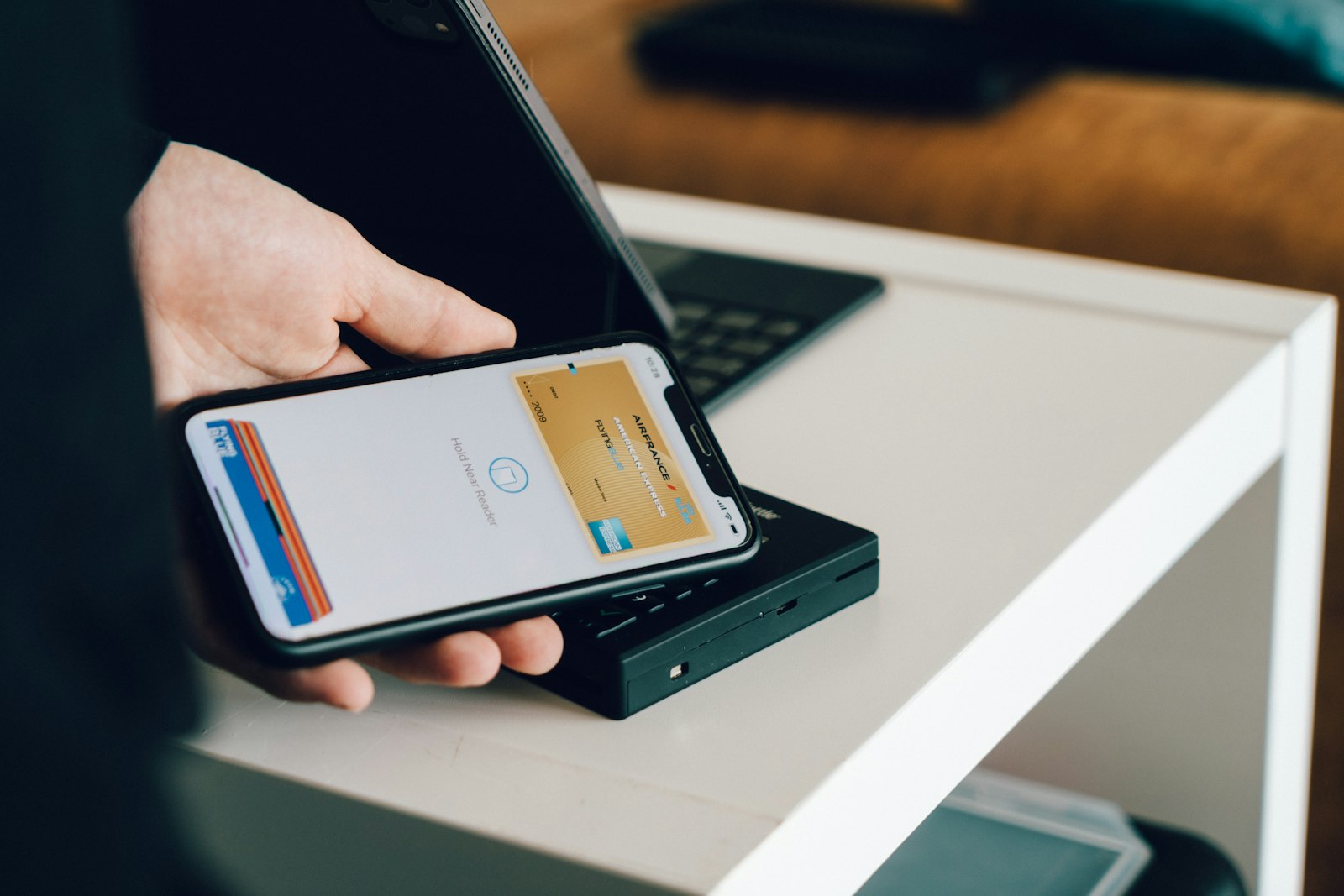
Tapping to pay is quick, and it’s built with more security than many people realise. A few habits make it safer still.
Summary
- Mobile wallets use tokenisation, so your real card number isn’t shared with the shop.
- Phones and watches ask you to unlock or verify before paying, adding a layer of protection.
- Card providers set contactless limits and sometimes ask for your PIN as an extra check.
- Report a lost card or suspicious payment immediately; you’re generally entitled to a refund for unauthorised payments.
Contactless cards and mobile wallets have become the default way to pay for many people in the UK. Both are designed with several layers of security. Understanding them helps you pay confidently and spot when something isn’t right.
How the security works
| Feature | Contactless card | Mobile wallet |
|---|---|---|
| Card number shared with shop | Yes, with a one-time security code for each payment | No; a token replaces your real card number |
| Verification | PIN requested from time to time | Face, fingerprint or passcode on the device |
| If lost | Freeze or cancel the card | Lock or wipe the device remotely |
| Spending checks | Limits set by your card provider | Device verification for each payment |
Tokenisation, in plain English
When you add a card to a mobile wallet, your bank issues a digital token: a substitute card number used only on that device. Shops receive the token, not your real card number, which makes stolen data far less useful to criminals.
Verification and limits
- Phones and watches ask you to unlock or verify before paying.
- Card providers set contactless limits and may occasionally ask for your PIN, which helps confirm the card is in the right hands.
- If you’re asked for a PIN unexpectedly, it’s usually a routine security check.
Top tip
Turn on payment notifications in your banking app. You’ll see each payment within seconds and can spot anything unusual quickly.
If something goes wrong
- Freeze or cancel the card in your banking app, or call your provider.
- Report any payments you don’t recognise.
- If your phone is lost, lock it and remove your cards remotely through the device’s settings.
Under UK payment rules, you’re generally entitled to a refund for payments you didn’t authorise, unless you acted fraudulently or with gross negligence.
Take care
Never share card details, one-time passcodes or banking app codes with anyone who contacts you, even if they claim to be your bank. Our guide to authorised push payment scams explains why.
Everyday habits
- Keep your phone’s software up to date and use a strong passcode.
- Don’t let others add their fingerprint or face to your device.
- Check statements regularly, including small payments.
- Treat unexpected payment requests with caution, especially from apps you don’t recognise.
The bottom line
Contactless cards and mobile wallets are built to be secure, and mobile wallets add extra protection through tokenisation and device verification. Pair them with alerts and quick reporting, and you’re well protected. For online shopping, see our guide to buy now, pay later, and for app-based accounts, our comparison of digital and high street banks.
Questions readers ask
Is it safer to pay with my phone than my card?
Mobile wallets add protections such as tokenisation and biometric checks, so they can be more secure than tapping a physical card. Both are considered safe for everyday use.
Can someone steal my card details by walking past me?
It’s unlikely. Contactless payments need a card reader to be very close to the card, and the data shared doesn’t let someone easily make online purchases.
What happens if my card is used without my permission?
Tell your card provider straight away. Under UK payment rules you’re generally entitled to a refund for unauthorised payments, unless you acted fraudulently or with gross negligence.
This guide is general information, not financial advice. Rules, rates and allowances can change, so check the latest details with the provider, GOV.UK or the Financial Conduct Authority before making decisions. For advice on your own circumstances, speak to an FCA-authorised financial adviser.